October 2007 Archives

nutrition1007.jpgA recipe for good health, no matter how you say it

By Fran Werner

Any way you pronounce it, the tomato is a nutritional powerhouse. Tomatoes are loaded with health-protective anti-oxidants, such as lycopene, vitamin C, and vitamin A. Yet, they have very few calories, virtually no fat and are a good source of complex carbohydrates. If you don't have tomatoes in your summer garden, head to the farmer's market or the grocery store. Pick up some broccoli too.

New research suggests that eating tomatoes and broccoli together provides even more potent health benefits than either alone. To get the most phyto-nutrients from your tomatoes, they should be cooked. The phyto-nutrients in tomatoes become more concentrated and bio-available when cooked into a sauce or paste and eaten with a bit of oil. With broccoli, it's just the opposite; overcooking kills its nutrients. Broccoli's protective nutrients emerge after it's been cut (or chewed); wait five minutes, then steam or sauté lightly.

Fresh Tomato Sauce
10 pounds beefsteak, plum or roma tomatoes (or a combination)
4 Tbsp. olive oil
1 medium onion, chopped
6 garlic cloves, crushed
2 Tbsp. tomato paste
Salt and pepper to taste

Bring a large pot of water to boil. In the meantime, prepare a large bowl of ice water. With a paring knife, core the tomatoes, and cut an "X" on the bottoms. Working in batches, submerge the tomatoes into the boiling water. Using a slotted spoon, when the skins begin to split (usually less than a minute), remove them from the boiling water, and plunge into the ice water.

After the tomatoes have cooled, remove the skins, using a paring knife if necessary. Discard the skins. Halve the tomatoes, and remove the seeds.

In a large pot, heat the oil over medium heat. Add the onion and garlic, and sauté until soft (about four to five minutes). Add the tomato paste, and cook until slightly darkened (about one to two minutes).

Add the tomatoes, and stir to combine. Bring the mixture to a boil; then reduce heat to medium-low. Cover and simmer, stirring occasionally, until thick, about 1 1/2 hours. Season with salt and pepper. If desired, add broccoli and/or other vegetables to the sauce before serving.

This recipe makes approximately nine cups. It can be frozen in an airtight container for up to three months. Thaw at room temperature before serving.

Nutrition information per 3/4 cup: 116 calories, 5 grams fat, 4 grams protein, 17 grams carbohydrate, 5 grams fiber. NOTE: This recipe is adapted from Everyday Food.

Fran Werner is a certified Lifestyle and Weight Management Consultant, a Certified Personal Trainer, and a certified Lifestyle Coach, specializing in weight management. She has been the owner/director of Lifestyle Consulting since 1981, and has maintained an office in Austin since 1993. Fran has helped thousands of individuals achieve and maintain healthy weights and healthy lifestyles. You can contact her at (512) 794-3848, or at fran@lifestyleconsulting.com. Visit her Web site, www.lifestyleconsulting.com.

The Marathon

| No Comments
running1007.jpgMake your own history!

By Paul Baltutis

Like many movie goers this summer, I watched 300 which depicted how the Spartans made a heroic stand against the mighty Persian Empire. The Battle of Thermopylae, or 300, is actually the middle act of a three-act play that began on the Plain of Marathon 10 years earlier. Runners might be interested to know that the victory at Marathon in 490 BCE which led to Pheidippides' legendary run to Athens to announce, "Rejoice, victory is ours!" was just the opening act of this prolonged campaign.

In historical terms, here are the three events in chronological order.

Act I. The Battle of Marathon
In the first battle the Persians, led by King Darius, were upset with rebellious Greeks settlers in neighboring Ionia and wanted to invade to Greece and punish Athens. The battle of Marathon was fought in 490 BCE on a plain about 24 miles Northeast of Athens. (Turns out Athens had to go it alone against the Persians because the Spartans were unwilling to march to that fight until the moon was full. The messenger Pheidippides reportedly ran 320 miles in a four-day round trip and delivered this message.)

The Athenians felt confident that the Gods were on their side and readied their plans. The Greeks won the battle over the Persians through a dramatic first-strike attack, which put the Persian Army into disarray and made them retreat back to their ships. All told only 192 Greeks were killed compared to 6,400 Persians.

Act II. The Battle of Thermopylae
In 486 BCE King Darius died and his son Xerxes took over the throne. Xerxes felt he had unfinished business with Greeks after Marathon and amassed an even larger military force to again invade and conquer Greece. The Greeks, meanwhile, sensed that the victory at Marathon was temporary and prepared themselves for another attack from Persia. The Greeks appeared to be more unified in their resolve to fight, but they couldn't match Persia's numerical superiority, so they knew that had to use tactics to even their chances. When the Persians landed in 480 BCE, the Greeks planned to hold them back at the narrow passageway at Thermopylae. A force of 300 Spartans, 700 Thespians and approximately 6,000 other Greek soldiers held off the massive Persians Army for three days.

The battle of Thermopylae turned when a Greek traitor showed the Persians a secret pathway that allowed them to attack the Greek Army from behind. Many from the Greek Army managed to escape, but the Spartans and the Thespians chose to stay and, henceforth, gain immortality by fighting to the death. After the Spartans fell, the Persians had a clear path to Athens, the Greeks abandoned their beloved city and could do nothing while it was burned and pillaged. With the conquest of Athens, the Persians would have appeared to win the war; however, the Greeks were relying on their Navy for one more decisive battle.

Act III. The Naval Battle at Salamis
King Xerxes wanted to complete the annihilation of Greece by destroying its Navy, but the Greek Navy was in fact laying a trap near the Island of Salamis. The Greek's plan of bringing in Persian Fleet into the bay and broad-siding them turned the tide of the entire war. The battle was a rout with 200 Persian ships destroyed and many more captured. A frustrated King Xerxes realized that losing at Salamis meant the campaign was lost. With their Navy in retreat, the Persian Army on land were left to fend for themselves and would also succumb.

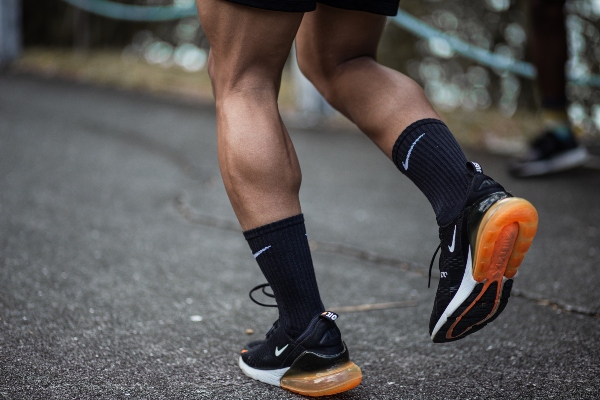
The Ancient Greeks preserved Western Civilization at Marathon, Thermopylae,and Salamis. Now make your own history. Might I suggest a running marathon?

Paul Baltutis is the manager of Soler's Sports in Alamo Heights. He is a certified marathon coach with Team in Training. He can be contacted at sage_run03@yahoo.com.

Drug Free - Really?

| No Comments
health1007.jpgNature's alternatives to
prescription drugs


By Annette M. Zaharoff, MD


Many people are using prescription and non-prescription medications for a number of different reasons. Unfortunately, one of the risks of using medications is facing some unwanted side effects. In fact, over 100,000 people die in American hospitals each year from adverse reactions to medications that were actually used correctly, making prescription medications the fourth leading cause of death. There may be an alternative, with effective, yet gentler, natural remedies.

The following are some options for natural alternatives to very common problems. The information is not meant to replace the advice of your physician. Any changes in your personal medications should be discussed with your doctor. However, the information below may be useful to stimulate a healthy discussion with your physician.

Anxiety
Studies reveal the about 18 percent of Americans suffer from an anxiety disorder, not to mention all the stress that is felt with work and family demands. Other health issues such as high blood pressure and insomnia may accompany stress disorders.

Conventional therapy may involve any number of anti-depressants or mood altering drugs. Many of these are accompanied by side effects such as sedation, addiction and sexual dysfunction.

A natural alternative is an amino acid called L-theanine, found in green tea, which has been found to have very positive treatment results for anxiety. L-theanine has been found to stimulate the brain to produce alpha waves which are associated with a relaxed but alert state of mind. Neurotransmitters such as serotonin and dopamine, which increase our sense of well being, are also increased. The recommended amount per day is 50 to 200 mg. of the brand Suntheanine a few times per day.

Hot flashes
More than half of menopausal women experience hot flashes. Hormone replacement therapy (HRT) is the conventional treatment to cool hot flashes. Research studies have shown that HRT may increase the risk of breast cancer by 26 percent, heart attack by 29 percent and stroke by 41 percent, according to a 2002 Women's Health Initiative study looking at more than 16,000 post-menopausal women.

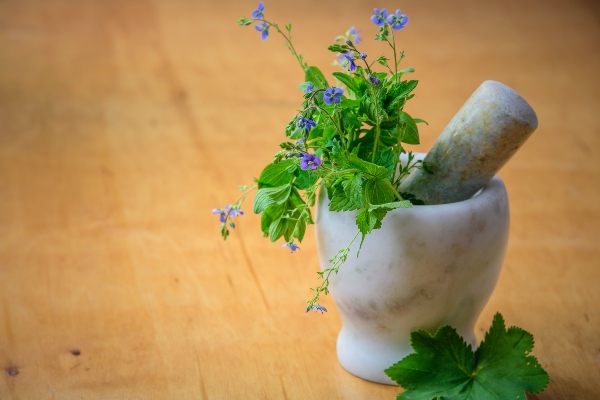
Other natural options may include black cohosh, soy, red clover, and an herb called "kudzu." Black cohosh has been found to be very beneficial in treating hot flashes and may relieve mild depression and mood swings as well. In fact, 40 mg. of black cohosh extract may be as effective as a low dose estrogen patch for relieving hot flashes, anxiety, and depression.

Soy may decrease hot flash frequency up to 20 percent, taking 50 to 150 mg. of soy isoflavones daily. Foods like tofu, edamame, and soy milk contain about 30 mg. in one serving.

Red clover may be taken alone or combined with kudzu to reduce the frequency of hot flashes. A supplement containing 40 mg. of isoflavones daily is recommended.

Prostate cancer
Not to forget you guys -- did you know that every two and a half minutes, another man is diagnosed with prostate cancer, and every 17 minutes a man dies from it? The most common treatment for early stage cancer may be surgical removal or radiation or possibly chemotherapy.
Healthy nutritional habits may help lower the risk of prostate cancer. Incorporating foods high in lycopenes (tomatoes), zinc, and antioxidant rich fruits and vegetables are beneficial. Another fruit with off the chart anti-oxidant levels is the pomegranate. A study through UCLA showed that men who drank eight ounces of juice daily showed a reduction in a tumor marker called PSA which suggests a slow down in the progression of prostate cancer.

Since medications may have unwanted side effects, it's helpful to look for effective and perhaps gentler alternatives. Always check with your own physician regarding changes in medications and any concerns you may have about taking natural products or supplements.

Dr. Annette Zaharoff is a sports medicine physician specializing in the non surgical evaluation and treatment of injuries. She maintains a private practice in San Antonio and may be reached by calling her office at (210) 616-0646, or by visiting her Web site www.drZmd.com.

After School Fitness

| No Comments
fitness1007.jpgAn important part of the learning experience

By Nicole Rogers, MPH, CHES

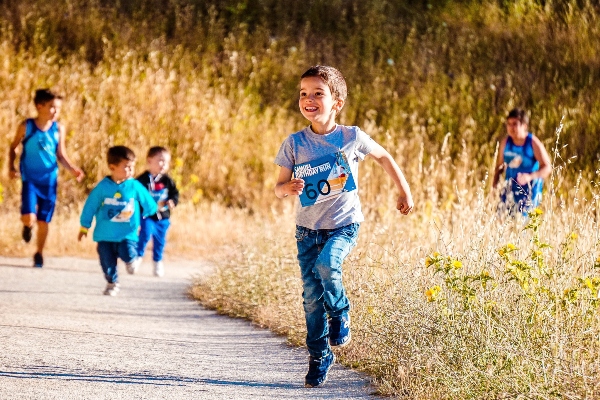
With children back in school, it is important for parents to understand the importance of providing after school fitness activities for their children.

Though opportunities for physical activity at school are changing this semester, with the passage of Senate Bill 530, after school fitness activities should be an important part of each student's day. A child's health is fundamental to his being able to function well at school. Not only will participating in activities that focus on physical fitness and nutritional education improve a child's quality of life, but they also make the child better equipped to learn.

Parents can accept the responsibility for their children's after school fitness by...

Leading by example and becoming more physically active themselves.
Research shows that kids with overweight parents are more likely to be overweight, too. Parents can use the Internet to educate themselves and find ways to make after school fitness a fun family activity that kids will look forward to and enjoy.

Making sure that their kids have safe places to play that provide a high quality educational and fitness experience.
Much work is underway to enhance the quality of the fitness experience for children. For example, Youth InterACTIVE is a nonprofit youth social marketing organization that has become an innovator in making fitness activities and nutritional education more attractive to kids and their families. Based in Austin, Youth InterACTIVE inspires and empowers youth to drive positive trends in health, education and civic participation through digital art, music and technology in concert with fitness and nutrition-based programs. The Youth InterACTIVE philosophy is that once a child is physically healthy, he/she is better able to achieve in school and can get involved in his community. Youth InterACTIVE is working with school districts in San Antonio to meet their staff training needs, as well as develop partnerships with local youth-focused organizations for training and support needs. Locally, the YMCA of Greater San Antonio is a good example of a safe, high quality after school fitness environment for children. The YMCA offers after school child care at 63 sites throughout the city.

The after school program includes indoor and outdoor fitness activities, team-building sports, such as soccer and volleyball, problem-solving activities and activities involving music and movement. It also offers a nutritional component that focuses on the food pyramid and healthy snacks. All YMCA sites also have a league with sports including soccer, volleyball, tee-ball and flag football. Kids practice one night a week and play on Saturday.

Limiting screen time during after school hours.
Screen time activities include playing on the computer or with electronic game systems or watching television or movies. Encourage your kids to play an active game or play with a pet instead.

Making sure that their children receive 60 minutes of moderate to vigorous physical activity each day.
If you don't know how many minutes of exercise your child is getting in school each day, ask! If it isn't at least a full 60 minutes, then you know more activity at home should be on your to-do lists.

For many years the American public has accepted that kids need to brush their teeth daily. Most parents teach their children to do this as toddlers, and it becomes a healthy behavior that continues throughout their lives. It's time for us to help parents understand the importance of fitness and nutritional education for their children so that daily after school exercise becomes an integral part of growing up and lays the foundation for a lifetime commitment to fitness.

Nicole Rogers, MPH, CHES, is the executive director of the Health Collaborative, a cutting-edge, public-private model for solving community health issues. Partners include the major health systems in San Antonio, Metro Health, the YMCA of Greater San Antonio, Community First Health Plans, Methodist Healthcare Ministries, and a community representative. For more information, visit www.healthcollaborative.net.

José Sanchez

| No Comments
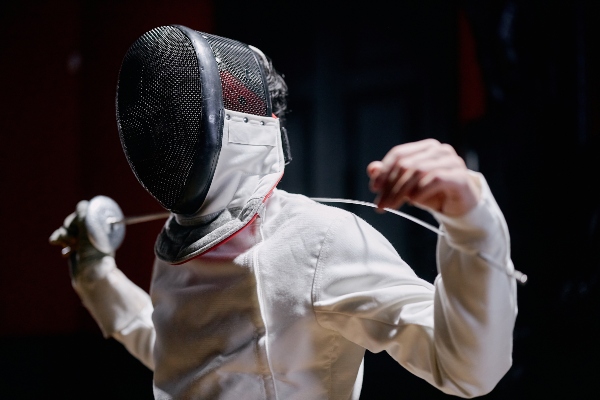
feature1007.jpgDon't Fence Him In

By Bonny Osterhage
Photography by Robert French


When you first meet local fencing instructor Jose Sanchez, you are instantly captivated by his boundless energy, his charming personality, his composure and self-assurance and, let's be honest, his striking good looks.

You would never imagine that this 27-year-old with his perfectly toned physique once weighed more than 200 pounds, was labeled "not very athletic" and suffered from low self-esteem. Having turned his own life around, Sanchez is determined that, under his tutelage, other children will be inspired to follow their own dreams and lead their best possible lives.

Off to a rough start
Sanchez's family came to San Antonio from Mexico to start their own business and live what Sanchez calls "The American Dream." I hate stereotypes," he laughs, "But we lived the stereotypical first generation Mexican American family life. You come here, you work hard and you raise good children."

Raised on the South Side, Sanchez attended Harlandale Independent School District where he was faced with his own set of challenges. Extremely overweight, Sanchez was teased by the boys and ignored by the girls, which caused his self-esteem to plummet. As a result, Sanchez fell into the "wrong crowd" and dabbled in his share of mischief-making which included getting in trouble for shoplifting. After that wake-up call, Sanchez began to take a hard look at the road he was traveling. But it wasn't until he was trying to help his father hang a ceiling fan and he wasn't strong enough to hold it up that Sanchez realized it was time to get off the couch and do something about his weight. "I kind of had an epiphany where I realized I am better than that," he shares.

From fat to fit
The first step in Sanchez's quest to lose weight was to get moving. He began by waking up early every morning to shoot hoops before school. His father installed a basketball goal in the driveway, and Sanchez spent hours shooting, rebounding and shooting again. "I was doing interval training and didn't know it," he says. As his weight went down, his confidence went up, and Sanchez began to explore the traditional team sports such as football, baseball and basketball but none were a good fit. "I discovered I am not a team guy," he laughs. "It's too much pressure."

Martial arts, however, was where Sanchez discovered his inner athlete and he began training and competing in karate and Olympic-style Tae Kwan Do kickboxing. Although he never got there himself, Sanchez became fascinated with the Olympics, and when he saw what he describes as a "big-haired blonde woman in an Olympic jacket leading a bunch of Caucasian kids in knickers" through the halls of Harlandale High, his curiosity was peaked.

The "big-haired woman" turned out to be Vinnie Bradford, the head coach and manager of the Community Olympic Development Program. Her middle-school fencing students were holding a fencing demo at Harlandale against the high-school football players. "The middle-schoolers were winning," Sanchez grins. He was hooked.

Physical chess
Often called "the sport of kings," fencing dates back hundreds of years. It has been included in every modern Olympic Game since the first on 1896. But even with such a distinguished history, fencing is not a sport that most high-school kids think of when they dream of becoming star athletes. In fact it may seem a bit medieval to some, with the odd-looking uniforms and facemasks --not to mention the sword-like weapons. Add to that the fact that you never hear about the head cheerleader dating the captain of the fencing team, and you can see why some people were confused at Sanchez's decision to pursue the sport.

However, fencing is extremely challenging and is based not just on athleticism but also on cunning and mental skills. "In the end it is not about who's stronger or faster; it's about who's smarter," explains Sanchez. "They call it physical chess for a reason."

Coming full circle
Sanchez attended fencing classes through the San Antonio Sports Foundation's Dreams for Youth program in conjunction with Palo Alto College, and at the ripe old age of 18 he was the oldest student in the class. "They didn't expect me to stick around, but look where I am now," he says with pride. Sanchez quickly advanced through the program, competing at national and international levels before becoming an assistant coach. He trained under Bradford whom he describes as "my mentor."

Today, Sanchez teaches Bradford's class at Palo Alto and at the San Antonio Sports Foundation center on San Pedro. "I came full circle, ya' know," he laughs. He works with children on a daily basis, and Sanchez says his goal is to encourage these youngsters to live their dreams and not give up on themselves. And while some of Sanchez's students have gone on to win national titles, he offers the same encouragement to those children who may never make the competitive circuit, reminding them that fencing is a lifetime sport as well as a social vehicle.

"That is especially helpful for the military kids who move around a lot," he explains. "You can find a fencing club pretty much anywhere in the world and make friends" Sanchez credits fencing with teaching children tools for life, including perseverance, determination and self-confidence. "... all the things you must conquer within yourself before you can conquer the world," he says.

The future looks bright
Conquering the world seems likely for Sanchez. After graduating from Harlandale, he went on to get an education degree with a specialty in kinesiology from the University of Texas at San Antonio and says he hopes to go into nursing.

For now though, Sanchez is content to instruct his students in the sport he loves most. "I have such a great job," he gushes. "How many 27-year-olds can say they have worked for the same company for 11 years?"

Whatever his future holds, one thing is certain: Sanchez will attack it with his trademark gusto and determination. Because, Sanchez says, when it comes down to it, he believes the way your life turns out is all up to you.

"You are your own best coach," he says. "The others are only here to guide you."